
How to Refresh Your Home for Spring Using Patterned Textiles
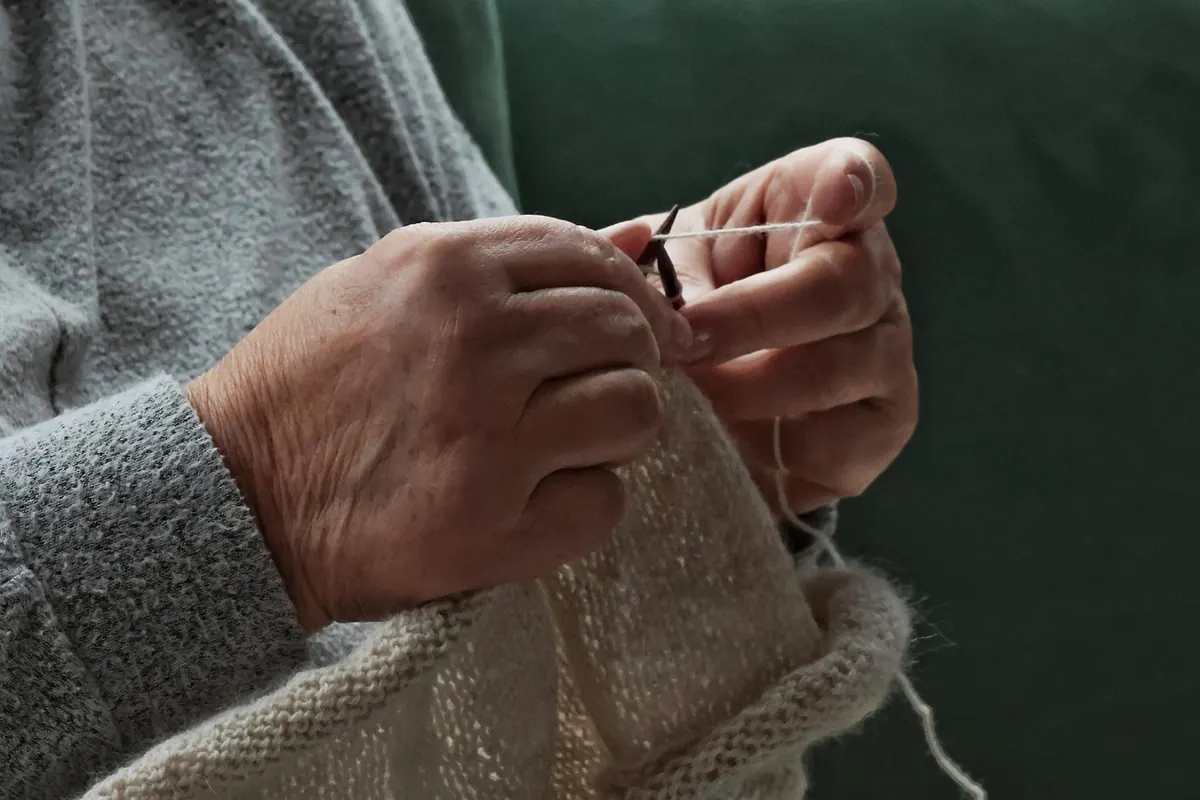
Spring rarely arrives in one go. It shows up in a wider band of light across the wall at six in the evening, in the first morning warm enough to open a window, in the decision to put the washing outside. Indoors, the quickest way to keep pace with that shift is textiles. Cushions, throws and curtains are the loose layers of a room: the parts you can change in an afternoon without moving furniture, painting anything, or waiting in for a delivery.
What follows is how to make those swaps well, without the house ending up looking like a fabric showroom.
Start with the light, not the fabric
Before you buy anything, stand in the room at the hour you actually use it. A north-facing sitting room that never quite warms up will swallow pale grey prints and reward ochre, rust, coral or a print on a cream ground. A bright south-facing room can carry cooler blues, greens and soft chalky greys without feeling chilly. Same sofa, same walls, entirely different shopping list.
Then look at what you already have out. Winter layers tend to be dense and light-absorbing: wool, velvet, chenille, deep burgundy and forest green. Spring layers bounce light back — cotton, linen, washed linen blends, thin wool, and prints with plenty of white or cream showing through.
Finally, choose a direction. Pick two or three colours that already exist in the room — the rug, the fireplace tiles, a painting, even the view through the window — and let every new purchase pull from that shortlist. Rooms go wrong when each cushion is chosen on its own merits in a shop.
Cushions: the fastest change in the house
Cushion covers are the most reversible thing in any room. Buy covers, keep the inserts, and store the out-of-season set flat in a box. Two sets per sofa takes up half a shelf.
A formula that works
For a standard three-seat sofa, five cushions is enough:
- Two large, around 50–55cm, in plain linen or a quiet small-scale print.
- Two medium, around 45cm, in a mid-scale pattern — a ticking stripe, a simple check, a small repeat.
- One small, 30–35cm, in the boldest pattern you own.
Odd numbers read as deliberate; even numbers read as a matching set. Keep the loudest design on the smallest cushion, where it works as an accent rather than a shout.
Details that make the difference
Choose an insert about 5cm larger than the cover so the corners fill properly — a 50cm cover wants a 55cm pad. Feather and down give the softest, most relaxed result but need plumping; synthetic fillings hold their shape with less fuss and are easier to wash, which matters in a house with pets or hay fever. Whichever you choose, give each cushion one firm chop across the top to break the edge.
Throws: layer, don't drape
A throw does two jobs at once, colour and texture, which makes it the best value textile in the room. The usual mistake is draping it loosely over the back of the sofa, where it looks like laundry waiting to be put away. Fold it in thirds lengthways, lay it over one arm, and let it fall about a third of the way down the seat. On a bed, run it across the foot in a single neat band.
Weight matters as much as pattern in spring. Heavy chenille or mohair will fight the season; waffle cotton, thin wool, cotton jacquard or a light quilted cotton will not. Butter yellow, leaf green, sky blue and soft terracotta all read as light rather than depth.
Don't stop at the sitting room. A striped cotton throw over the back of a garden chair, or folded on a bench in a conservatory, does more to signal the new season than a bunch of tulips.
Curtains and blinds: the considered swap
Curtains are the most visible textile in a room and the slowest to change, so treat them as a decision rather than an impulse. If you are not replacing them, there are still several routes in:
- Take down heavy interlined curtains in rooms you use in the evening and hang lightweight, unlined cotton or linen in a small print or a ticking stripe.
- Add a patterned roman blind to a small window — a kitchen, a bathroom, a landing — where the fabric quantity is modest and the impact is immediate.
- Hang a half-height café curtain in the kitchen or utility room for a quick, low-commitment injection of print.
- Keep plain curtains and change the trim: a patterned tape along the leading edge, or a contrasting fabric border.
Ready-made eyelet pairs in printed cotton are easy to shorten at home. Hang them first and let them settle for a week before you cut and hem, because the drop will change once the fabric has hung under its own weight. One word of caution: if you are removing a thermal or lined layer from a cold room, keep one lining in place. Spring mornings are still sharp, and a bare window will feel it.
How to mix patterns without the clash
- Share one colour. Every pattern should contain at least one of your two or three chosen colours. That single thread is what makes a mix look composed.
- Vary the scale. One large motif, one medium, one small or a stripe. Three prints of the same size compete; three of different sizes hold a conversation.
- Mix the families. Floral with stripe with geometric works. Three florals rarely do.
- Repeat each pattern. Use a print at least twice in a room — a cushion and a lampshade, a throw and a set of napkins — so it looks intentional rather than leftover.
- Leave somewhere for the eye to rest. Plain walls, a bare floor, a solid-colour sofa. Pattern needs quiet around it.
A colour that appears only once in a room tends to look like an accident. Twice looks like a decision.
Check the arrangement in daylight and again under the lamp you actually use in the evening. If you are unsure, gather everything on the floor first, rather than committing cushion by cushion.
Rotate, wash, store — then edit once more
Before the winter textiles go away, wash the cushion covers, air anything woollen, and store everything in cotton bags or pillowcases rather than plastic, so nothing emerges damp and musty in October. Label boxes by room. One box per room means the reverse swap in autumn takes under an hour.
Two practical habits are worth keeping through the season. Rotate cushions that sit in direct sun, so one side isn't permanently faded by July. And if curtains are being made or hardware fitted into old or tiled walls — particularly in a rented flat — check what is permitted before you drill.
Then do the final pass. Give it two weeks, walk in, and remove the one thing that isn't earning its place. A spring refresh is a rotation, not a renovation, and the room will tell you when it is done.
Photo: Tho-Ge / Pixabay